Week 7 Update: Budget Votes & Property Tax Debate
A Slower Week in Topeka — But Big Decisions on the Floor
While committee activity slowed this week as Senate bills began moving through the House, several major issues were debated and voted on the House floor — most notably, the state budget.
The State Budget Debate
The House passed its version of the State Budget and sent it to the Senate for consideration. Leadership set a goal of cutting $200 million from the proposal, but that benchmark was not reached.
At the heart of the debate is a fundamental question: What is the proper role of government? What should taxpayer dollars be funding?
Education once again represents a significant portion of the budget. An additional $10 million was allocated to Special Education funding. Some argue that special education remains underfunded. However, it is important to clarify the state’s legal obligation: Kansas is required to fund 92% of the excess cost of special education — not 92% of the total cost per student. According to the language in this budget, that obligation has been met.
After careful consideration, I voted against this budget.
I believe the core responsibilities of state government are public safety, infrastructure, and education. Beyond those priorities, spending becomes more discretionary — and that is where restraint is necessary.
Kansas is currently spending more than $500 million above incoming revenues. If we continue at this pace, reserve funds are projected to be depleted by 2030. That trajectory is not sustainable.
Responsible budgeting is not about cutting for the sake of cutting. It is about long-term stability and protecting taxpayers from future shortfalls. I remain committed to advocating for a fiscally disciplined budget that maintains our essential obligations.
SB 197 – Extending STAR Bonds
This week the House also voted on SB 197, which extends the STAR Bond program through 2031. I voted no.
While this version included additional guardrails, it continues a model of economic development that prioritizes large developers and corporations over local communities. Programs like this often pick winners and losers, and historically, rural Kansas has not benefited equally.
Economic growth should not depend on long-term reliance on taxpayer-backed incentives. The bill also grants significant authority to the Secretary of Commerce in determining qualifying projects.
If a project is truly strong and viable, it should be able to succeed without extended government incentives.
Although the bill passed the House, I remain committed to supporting economic development policies that are broad-based, transparent, and fair to all Kansans.
HB 2745 – Property Tax Relief or State Overreach?
Property taxes continue to be a top concern for families across Kansas. This week, the House debated and passed HB 2745, which would cap local government budget increases at 3% annually.
If a local entity exceeded the cap, citizens could file a protest petition. If enough signatures were collected, the governing body would be required to roll its budget back to the 3% threshold.
The bill was amended before final passage:
The $60 million state incentive was removed.
The signature threshold for protest petitions was lowered.
Revenue-neutral provisions were eliminated.
A simplified budget format was created to improve transparency.
While I appreciate the goal of increasing transparency and taxpayer involvement, I voted no for three primary reasons:
1. Local Control Matters
Local budgets should be decided locally. Counties, cities, and school districts understand their unique needs better than the state. I believe decisions should remain with officials closest to the people they serve.
2. Budget Caps Often Create Unintended Consequences
A 3% cap may sound reasonable, but history shows caps can become targets. If governments are allowed to increase budgets up to 3%, many may simply do so every year — whether necessary or not.
3. The State Has a Direct Option for Relief
If immediate property tax relief is the goal, the state could reduce the state mill levy. Lowering it from 20 mills to 18.5 mills would provide clear, measurable relief without restructuring local authority.
Where Your Property Taxes Actually Go
The state receives only a small portion of your property tax dollars. The majority goes to:
County government
City government
School districts
Property taxes are primarily a local issue. That said, the state can help reduce the overall tax burden — beginning with maintaining a balanced state budget.
Property tax reform requires transparency, fiscal discipline, and thoughtful solutions. While HB 2745 contained some worthwhile ideas, I did not believe it struck the right balance.
Visiting with Kansas Students
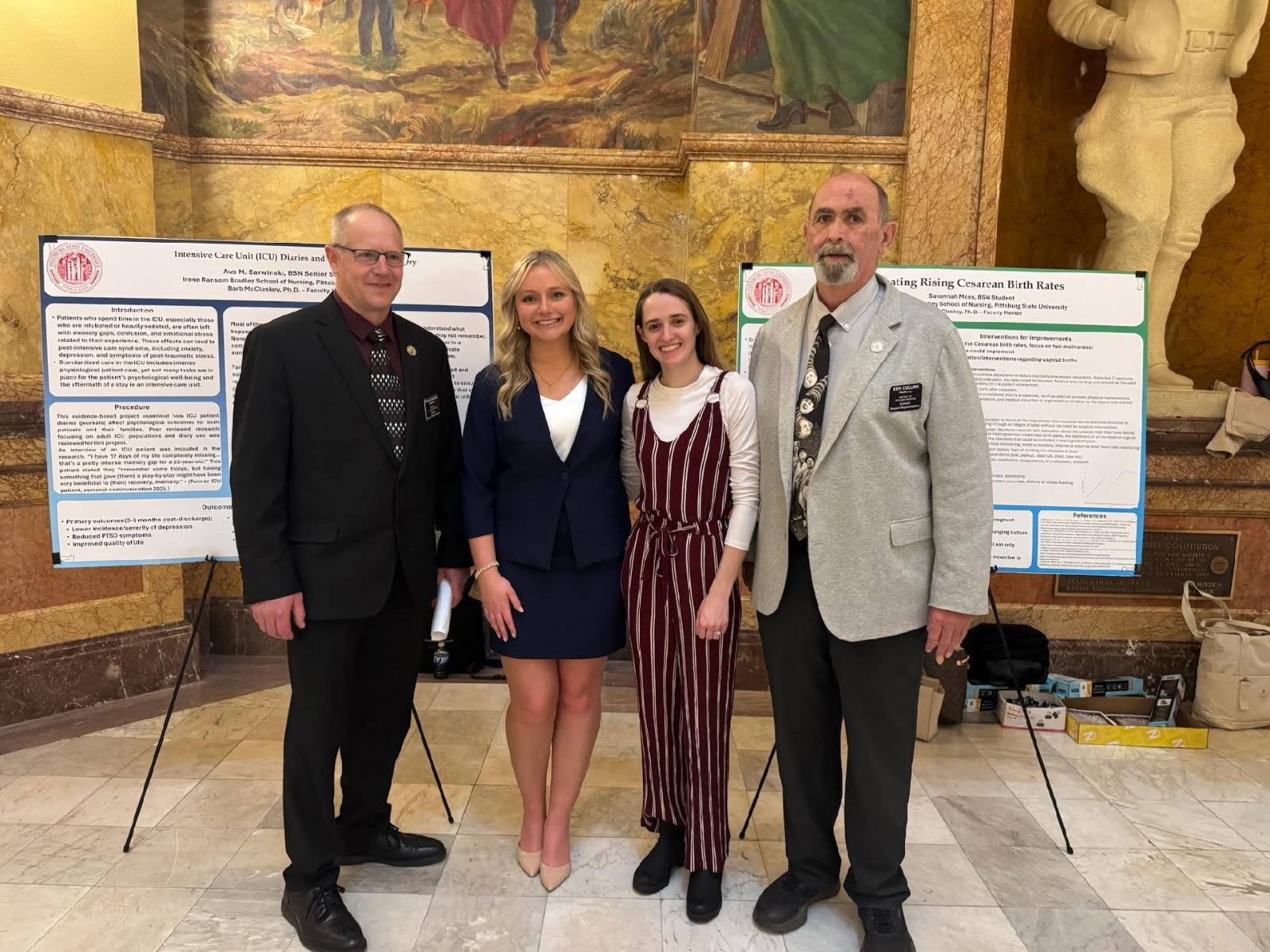
This week, I had the privilege of visiting with college students at the Capitol as they showcased their research. Their work was impressive, and I was encouraged by their talent and dedication. Students from across the state participated, with Pittsburg State University especially well represented.
It is always inspiring to see the next generation preparing to lead.
Cherokee County Farm Bureau Legislative Dinner
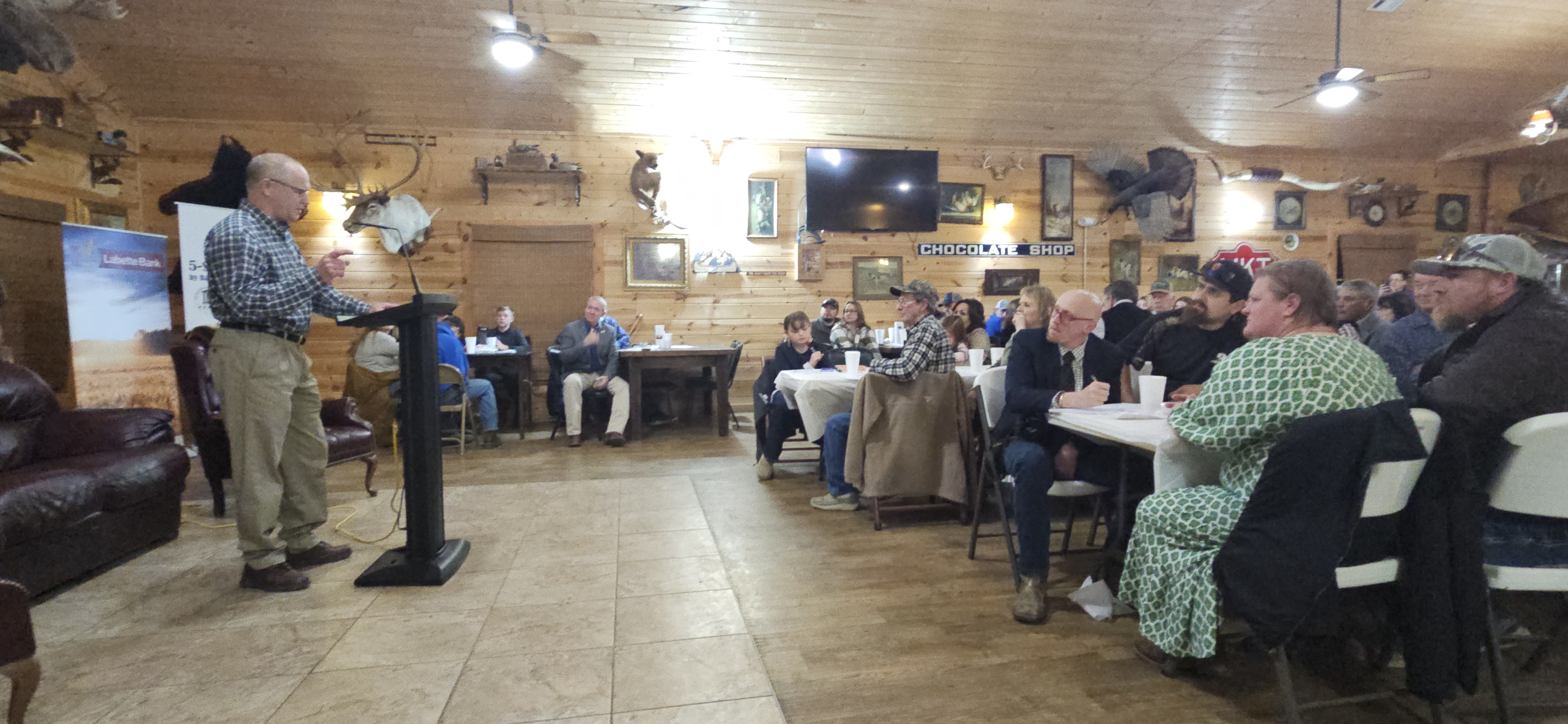
Last week, I had the opportunity to speak at the Cherokee County Farm Bureau Legislative Dinner. I was honored to join local officials and state senators for an evening focused on the issues that matter most to our community.
US Senator Roger Marshall and Joe Newland, President of Kansas Farm Bureau, were also in attendance.
These conversations are invaluable. Hearing directly from residents helps ensure the voices of District 1 are heard and represented in Topeka.
Thank you to the Cherokee County Farm Bureau for hosting such a meaningful event.
Thank you for the continued honor of serving you. If you ever have questions, concerns, or comments, please do not hesitate to reach out.
In service,
Dale Helwig

